The Pernicious French Conspiracy: How Banquettes Took Over the World (and Why They're Actually Quite Brilliant).
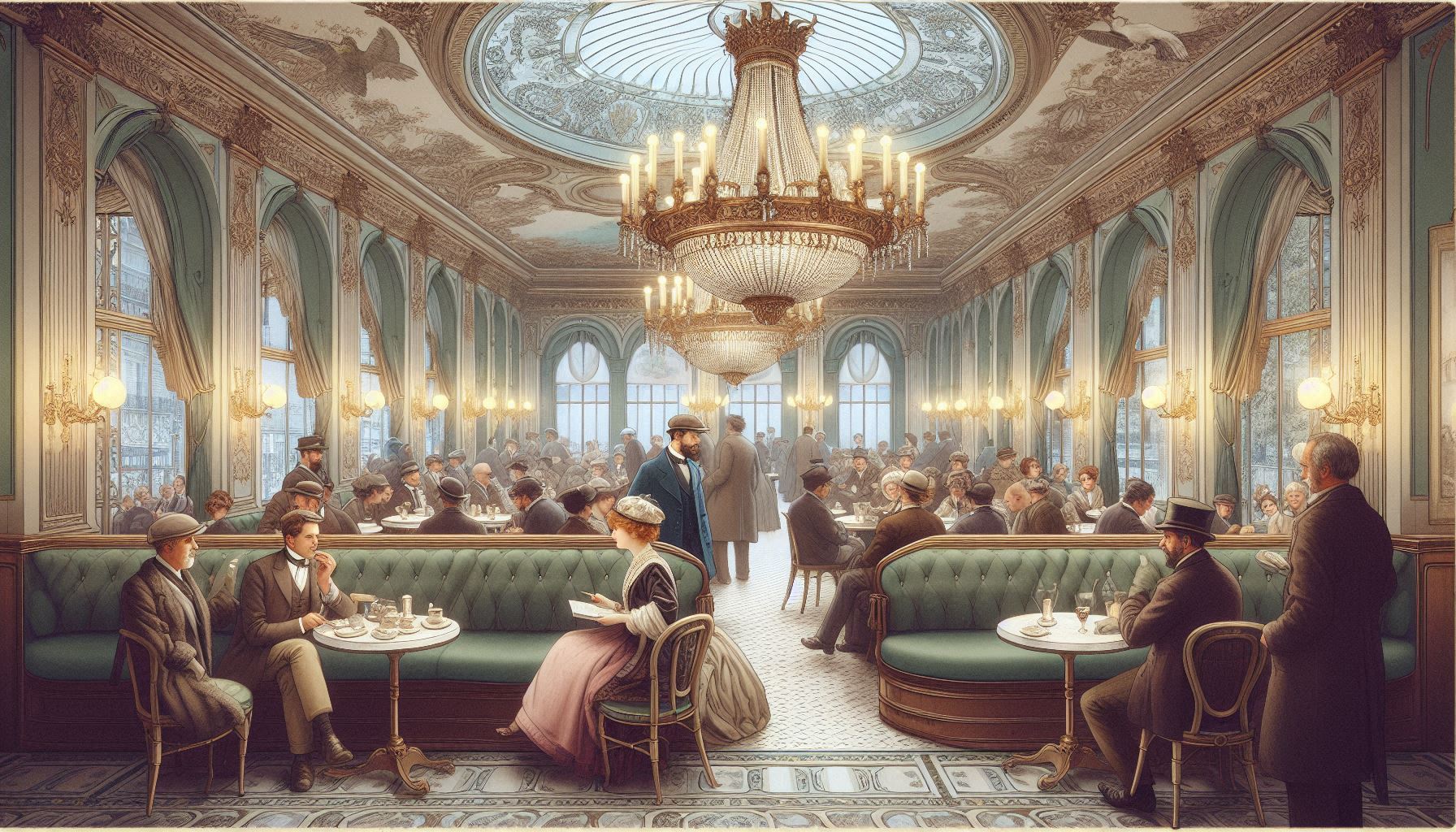
Ah, the French. Those wily devils. Masters of style, intimacy, and the art of the double entendre. But their most cunning weapon of mass seduction? The banquette.
At first glance, it seems innocuous enough: a simple, upholstered bench. However, beneath its charming innocence lurks a diabolical plot.
In a country where dining is practically a religion and floor space is, shall we say, economical, the French perfected the art of squeezing the maximum number of people into the minimum amount of space while still maintaining a semblance of decorum.
Ah, the French. Those wily devils. Masters of style, intimacy, and the art of the double entendre. But their most cunning weapon of mass seduction? The banquette.
At first glance, it seems innocuous enough: a simple, upholstered bench. However, beneath its charming innocence lurks a diabolical plot.
In a country where dining is practically a religion and floor space is, shall we say, economical, the French perfected the art of squeezing the maximum number of people into the minimum amount of space while still maintaining a semblance of decorum.
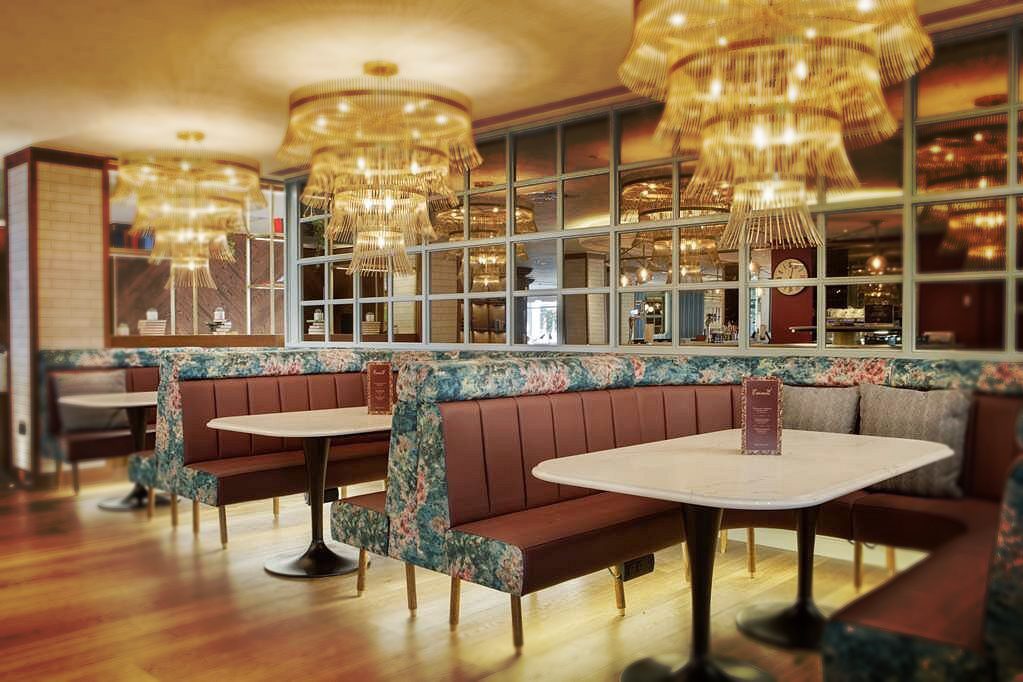
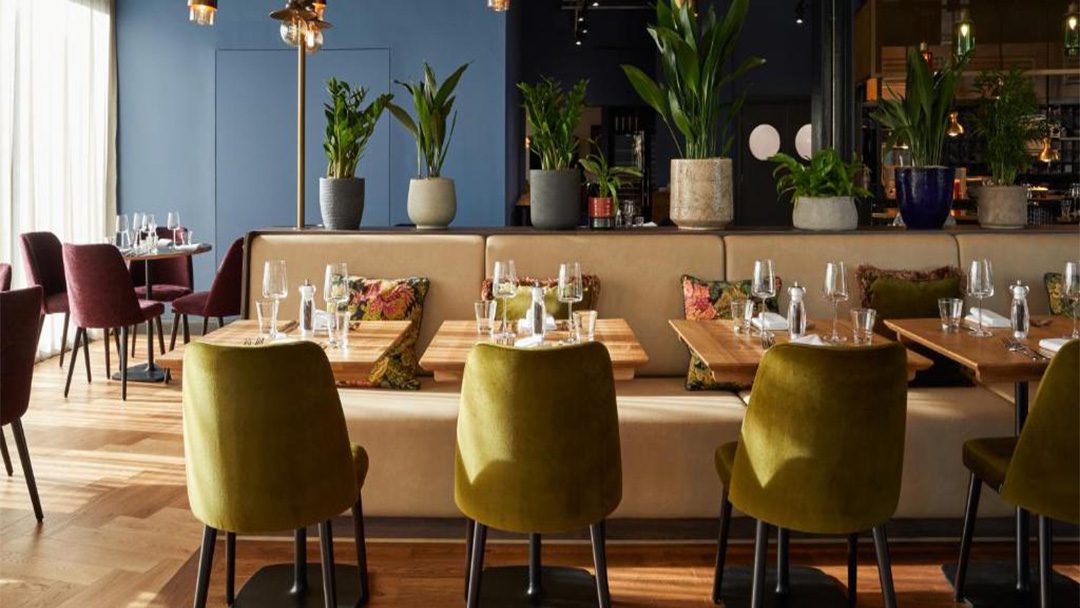
Banquette seating crams people together just enough for whispered gossip while still oozing an air of social elegance.
While the Germans were busy engineering indestructible furniture, the Italians were hand-carving ornate dining chairs for la famiglia, and the Brits were propping themselves on pub benches with a pint in hand, the French were perfecting dining to an art form.
But banquette seating isn’t just a clever way to squeeze a few extra diners into a restaurant—it’s a design triumph.
These upholstered wonders create semi-independent zones, offering a sense of privacy without sacrificing the convivial buzz of a busy venue. Add to that their uncanny ability to soften acoustics—no more shouting over clattering cutlery—and you’ve got a seating solution that’s as practical as it is stylish.
The Calculated Scheme: Banquette Dimensions.
The banquette is a diva, with a complex set of demands and specific requirements for its dimensions.
Dining Areas:
Seat height: 460mm to align with standard dining chairs.
Seat depth: 470mm
Back height: from 900mm to 1100mm
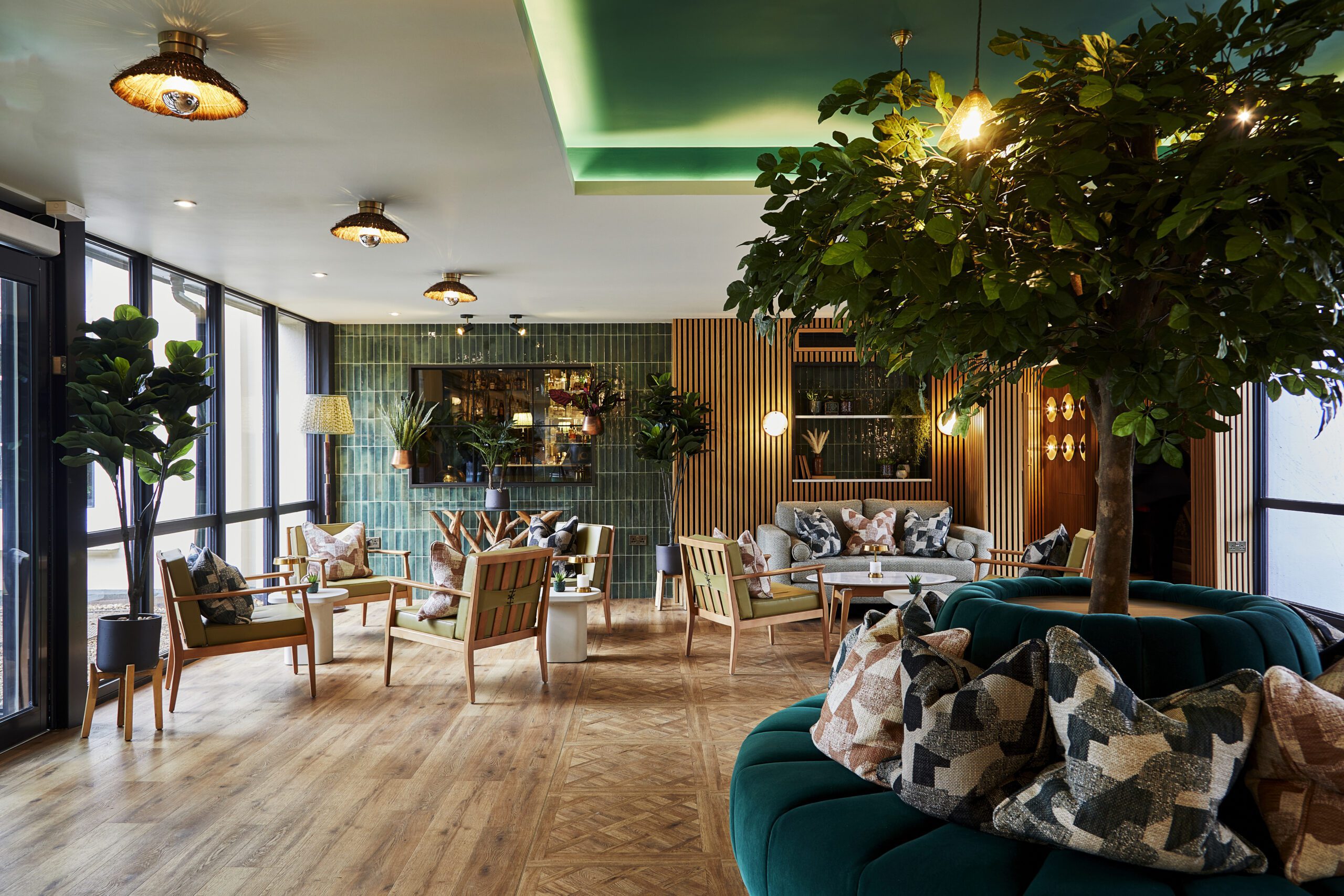
Foresters Bar at Whitemead Forest Park
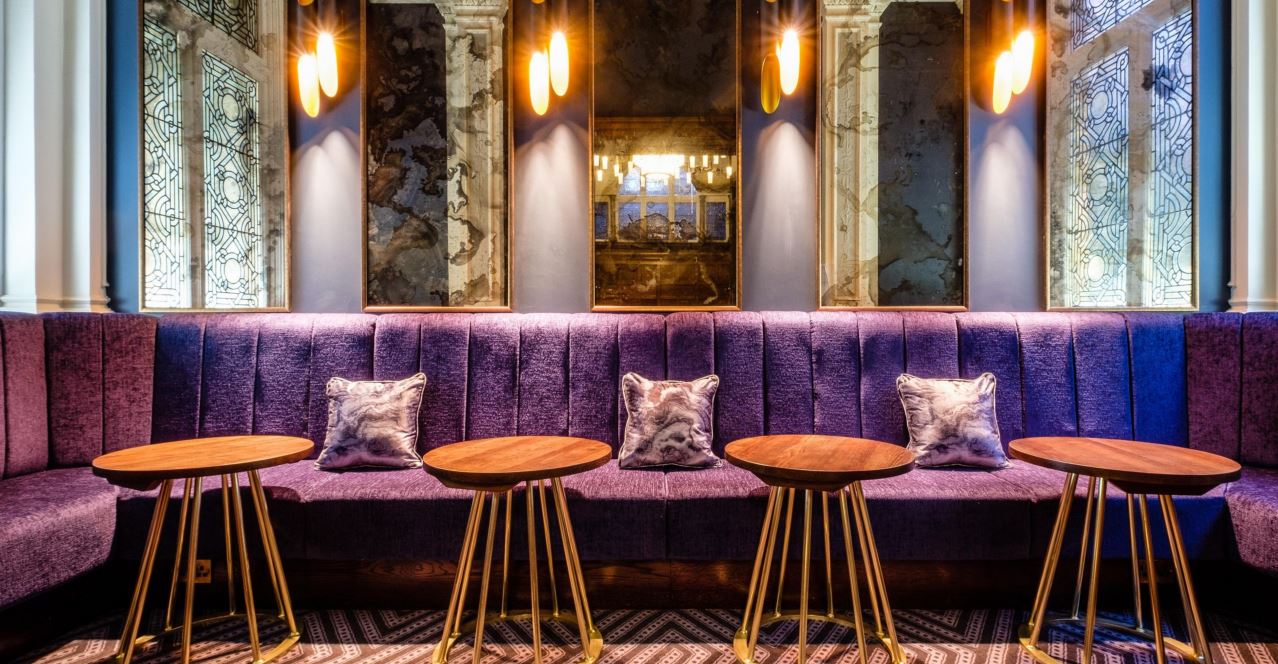
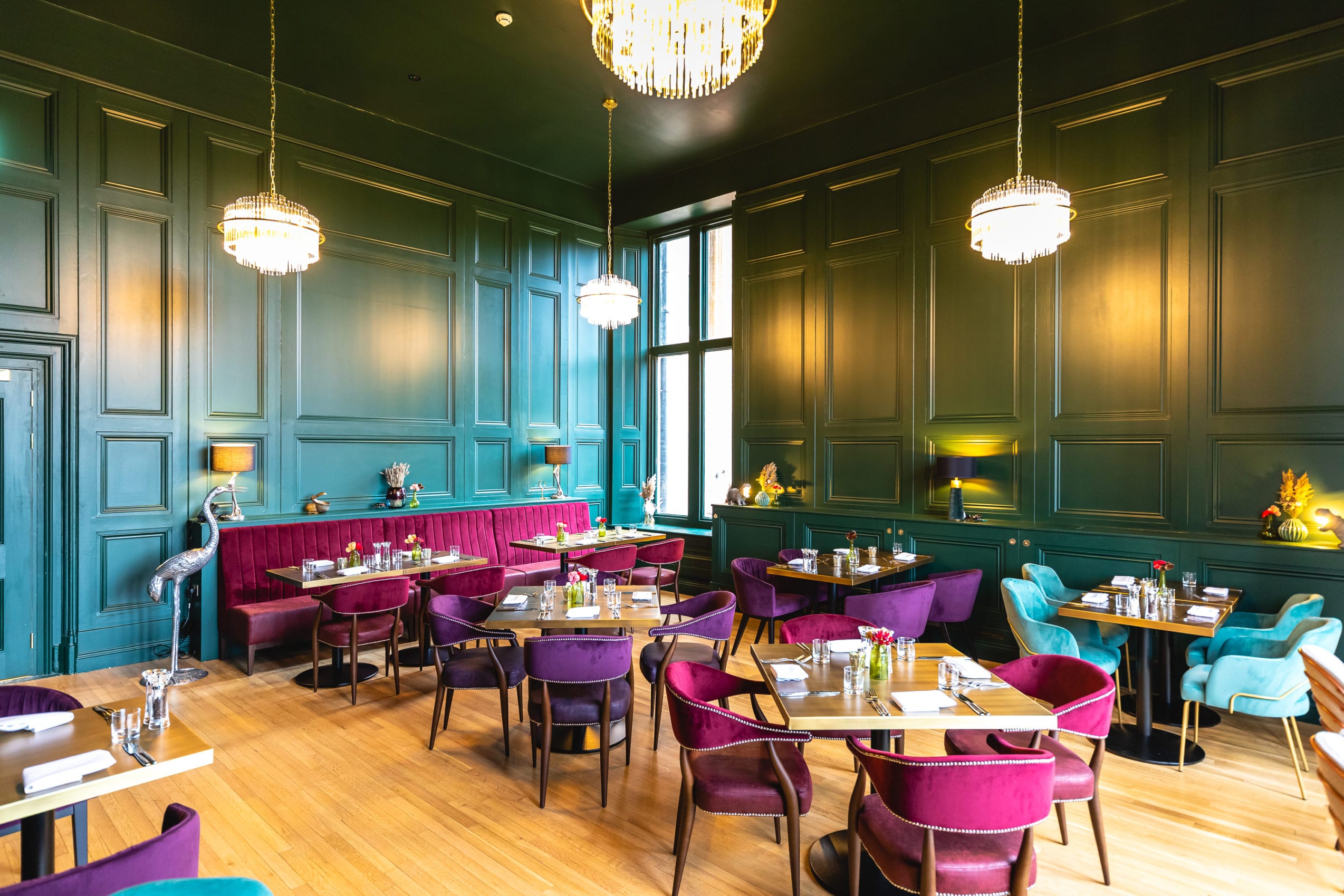
Hotel Indigo Durham
Lounge Areas:
Seat height remains around 460mm but can be slightly lower for a relaxed feel.
Seat depth increases to 500-520mm for added comfort in a lounging position.
Back height is often around 900mm.
Cocktail Areas:
These are the rebellious teenagers of the banquette world.
Poseur-height banquettes, common in bar and nightclub settings, demand seat heights of approximately 800mm to match bar stools.
Seat depth typically stays at 470mm.
Back height extends from 1100mm to 1200mm for additional support at elevated heights.
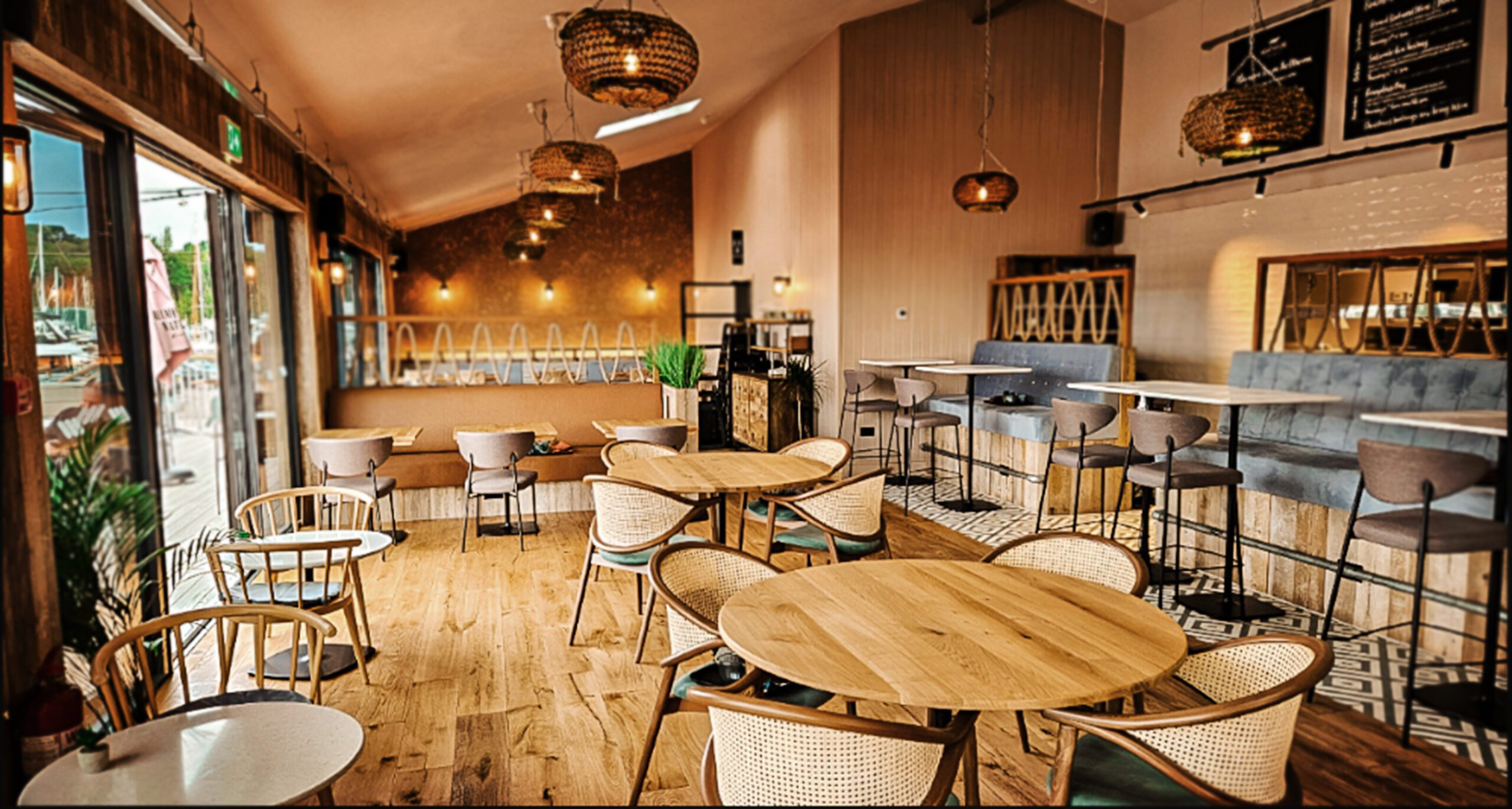
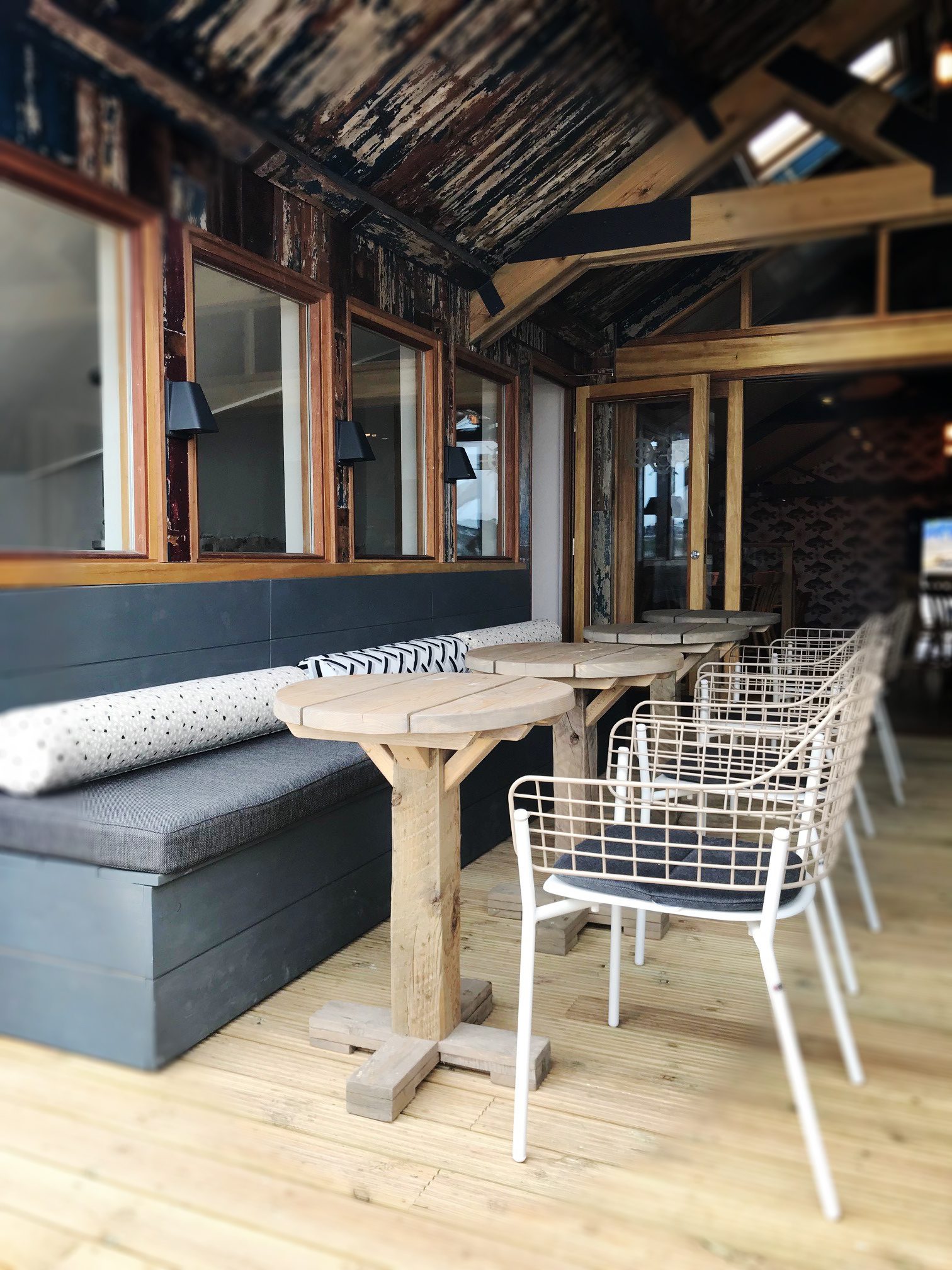
The Boathouse Swanwick
Banquette Base Basics: A Masterclass in Underpinning
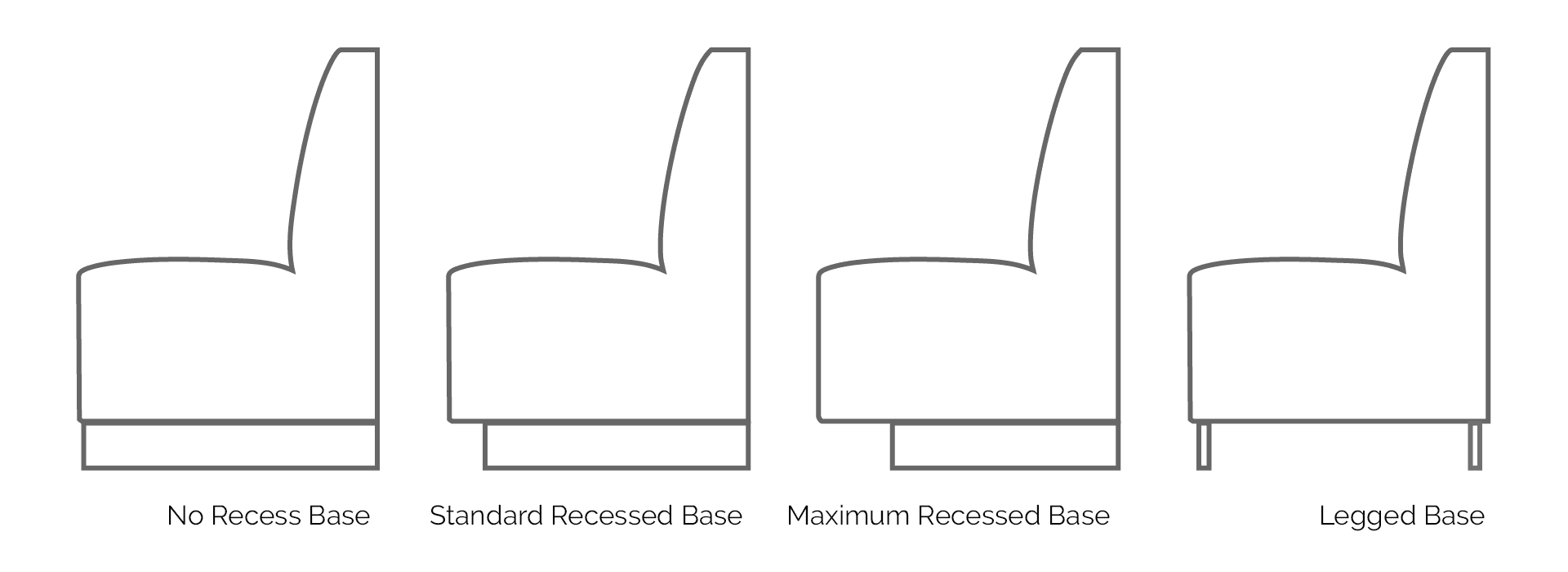
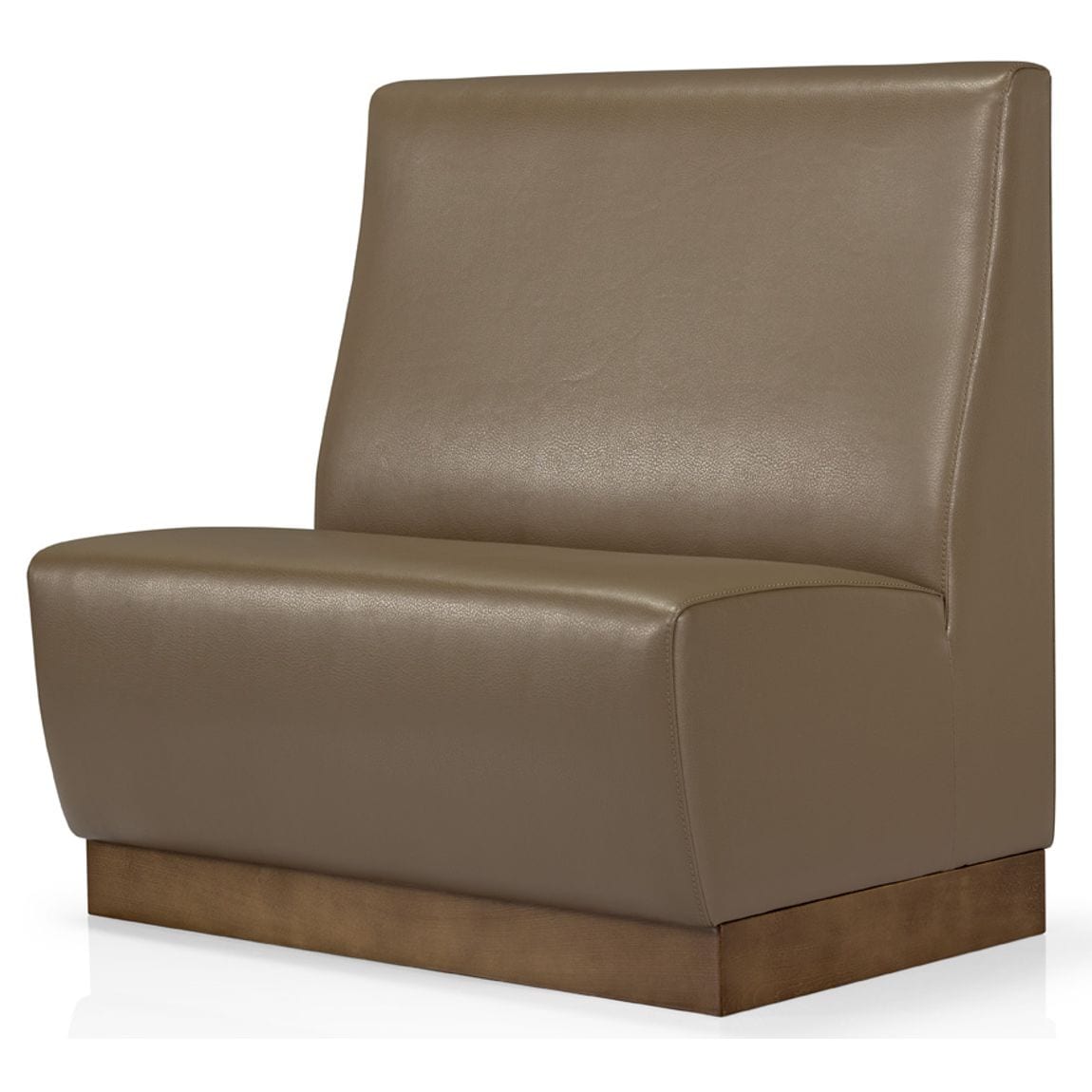
No Recess Base
The sturdy stalwart of banquette bases. Simple, direct, and built like a tank.
However, cleaning isn’t its strong suit—debris collects easily, so be prepared for frequent maintenance.
As a design element, this base can be dressed up with bold materials or sleek finishes, giving it an industrial edge or a touch of opulence.
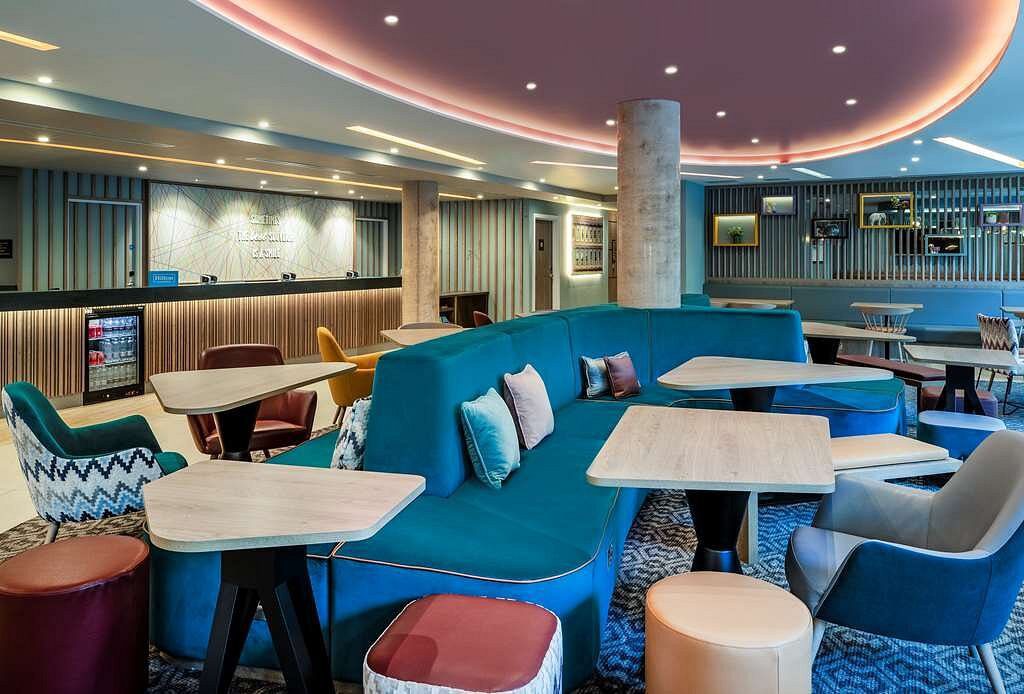
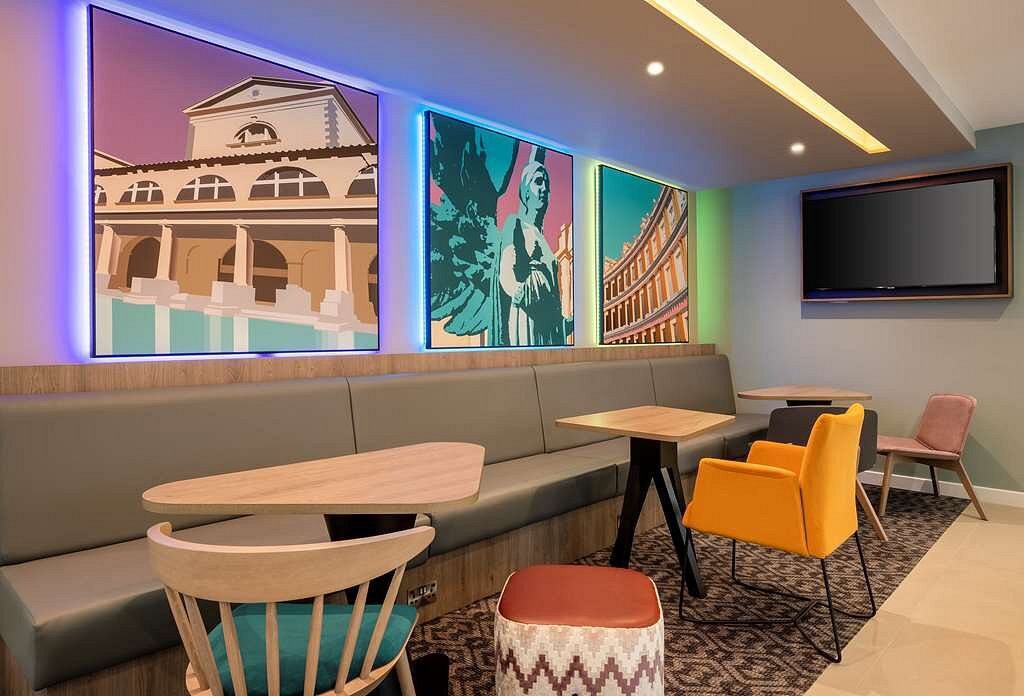
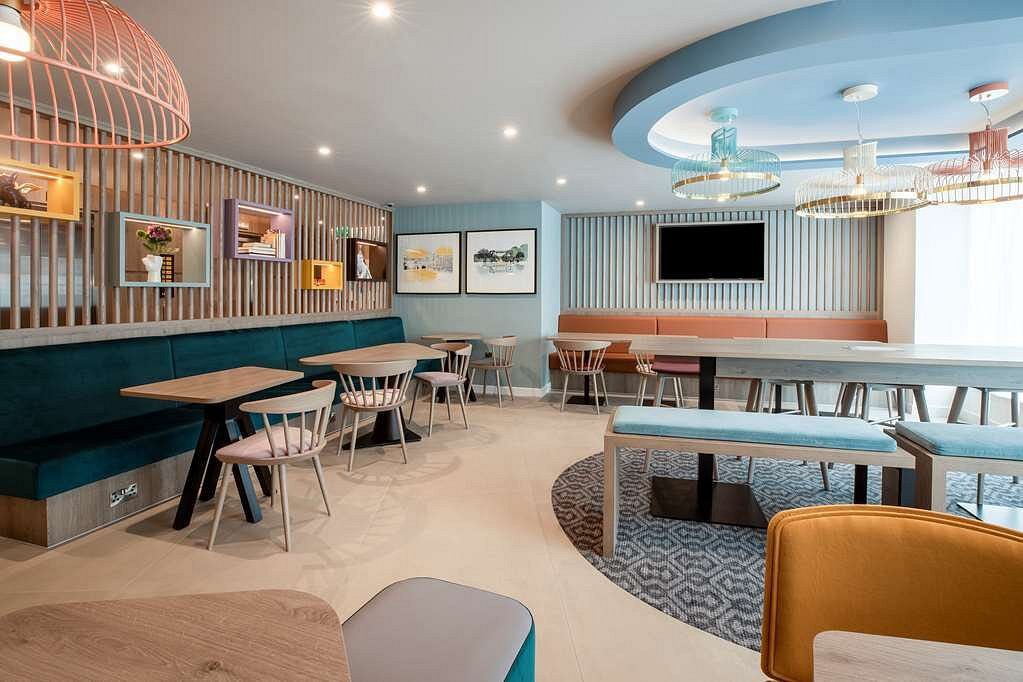
Hampton by Hilton Bath
Maximum Recessed Base:
The ergonomic champion: a deeper recess clears the lower section, creating a floating effect while enhancing legroom.
Sliding into and out of the banquette becomes seamless—perfect for tight spaces or bustling environments.
Ideal for high-traffic venues, this base shines when paired with striking design choices like brushed metals or contrasting textures.
Recess Depth and the Cantilever Conundrum
Going deeper with a recessed base isn’t just about elegance—it’s a balancing act. Push the recess too far back, and the cantilever effect could cause the banquette to tip forward under weight. To prevent this:
Shallower Recess: Stick to 2–3 inches for stability.
Anchoring: Secure the banquette to a wall or fixed structure for added support.
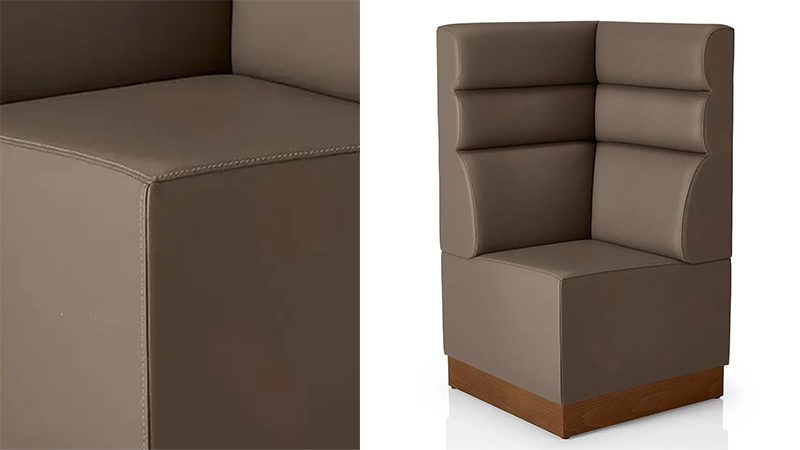
Soul 100 Modular Units
Standard Recessed Base:
The sweet spot: recessed 2–3 inches to protect upholstery and ease cleaning.
The added clearance improves ergonomics, offering extra legroom and easier access in and out of the seat.
From understated dark tones to vibrant finishes, this base can quietly disappear or stand out as a statement piece.
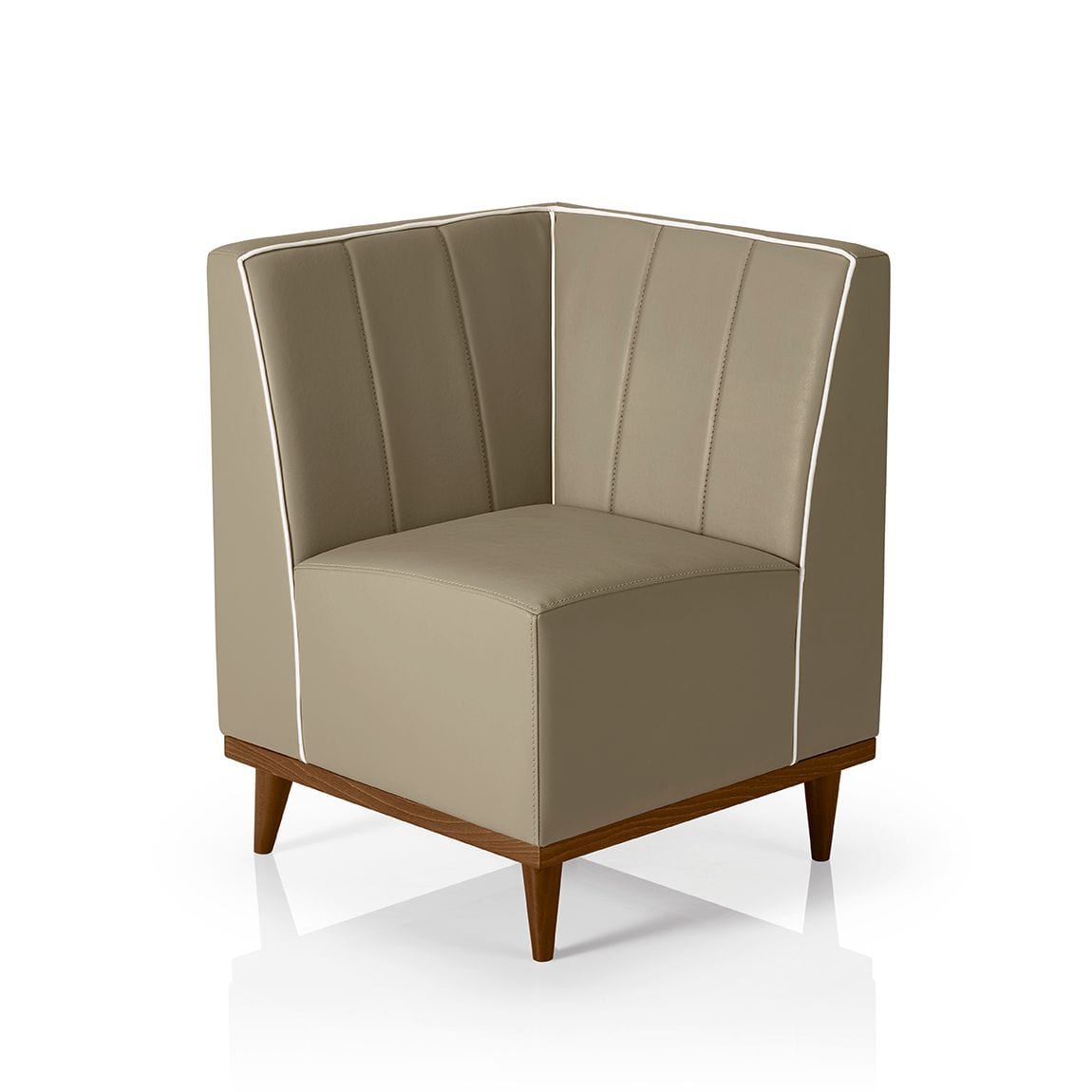
Legged Base:
A nod to tradition with a modern twist. The legs evoke freestanding furniture, offering a refined, classic look.
Accessibility is slightly reduced compared to recessed bases, but its elegance makes up for it.
Dusting under it? A task best left for the brave.
Duke Modular Units
Banquette Back Pitch & Its Impact on Dimensions
When designing a banquette, many overlook how the pitch (angle) of the inside back affects its overall size. The angle of the back, combined with the seat height and depth, all work together to determine comfort and fit.
Dining Banquette: For dining, we recommend a 98° back pitch, which is perfect for sitting at a table. This keeps guests sitting upright and comfortable during meals.
Lounge Seating: For a more relaxed setting, such as a lounge or casual seating, a 102°-105° back pitch offers a more comfortable, laid-back posture.
Key takeaway: A deeper back angle requires a greater seat depth to ensure comfort. Getting these proportions right early avoids design pitfalls.
When designing a banquette, many overlook how the pitch (angle) of the inside back affects its overall size. The angle of the back, combined with the seat height and depth, all work together to determine comfort and fit.
Dining Banquette: For dining, we recommend a 98° back pitch, which is perfect for sitting at a table. This keeps guests sitting upright and comfortable during meals.
Lounge Seating: For a more relaxed setting, such as a lounge or casual seating, a 102°-105° back pitch offers a more comfortable, laid-back posture.
Key takeaway: A deeper back angle requires a greater seat depth to ensure comfort. Getting these dimensions right early in your design process helps avoid fitting issues later.
Types of Upholstery in Banquette Seating
Button-Tufted
Deep-Tufted
Chesterfield
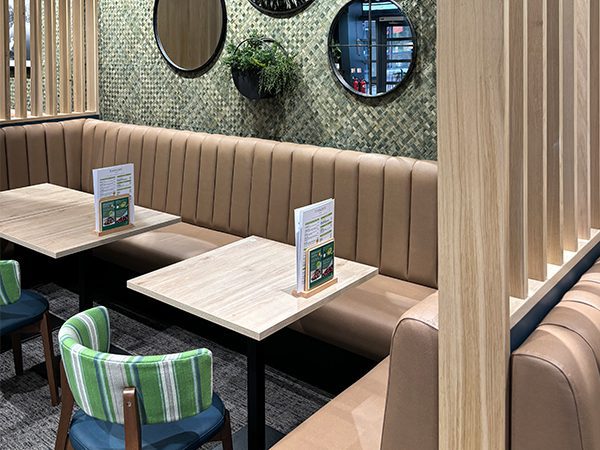
Fluted
Plain
The Great Upholstery Debate
Hampton by Hilton, Business Centre
To Tuft or Not to Tuft? That is the question. Tufted banquettes ooze old-world elegance, evoking Parisian cafes and classic parlours. But a sleek, tuft-free design speaks of minimalist sophistication.
The Seat Situation
When it comes to the seat, you have options:
Tightly Upholstered Seat: Clean, polished, and permanently fixed, offering a streamlined aesthetic.
Removable Cushion: Practical and flexible, this option allows for easy cleaning and reupholstering, perfect for high-traffic areas.
The Boathouse, Instow
Boxed Design: Features seaming at all edges, creating a defined, structured look..
Waterfall Design: The upholstery flows seamlessly from the back to the seat bottom, with rounded corners that create a smooth, flowing appearance.
Delta Modular Units
Pop 100 Modular Units
Backrest Battles
Horizontal or Vertical Channels? Channelled designs can make or break your banquette’s aesthetic:
Horizontal Channelling: Aligns with the natural horizontal flow of most rooms and is associated with classic upholstery craftsmanship.
Vertical Channelling: A contemporary choice that adds visual height and dynamic.
Soul 100 Modular Units
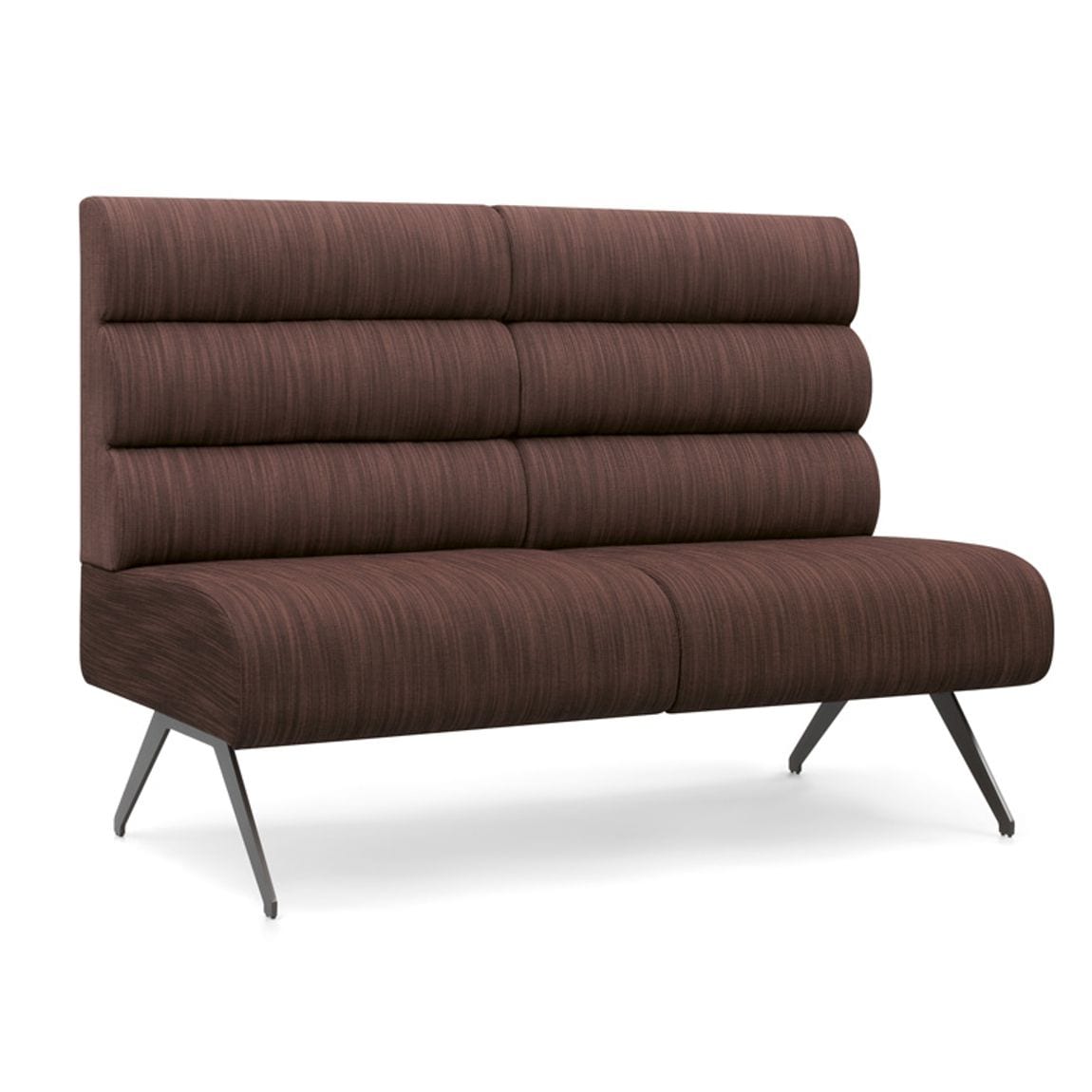
Ren Dine 2 Seater
Seat Cushioning and Suspension
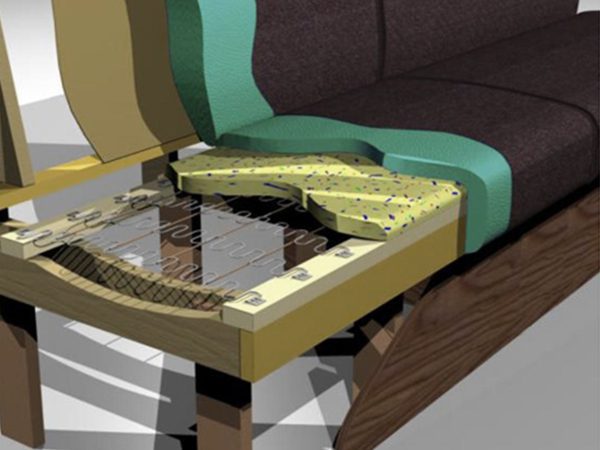
High-Quality Suspension: Wrapped steel spring coils and high-resiliency foam are indeed among the top choices for seating comfort and durability. These materials support even weight distribution and prolong the lifespan of the seating.
Inferior Methods: Webbing and sinuous springs (often referred to as “no sag” springs) are lower-cost alternatives. While they might be cheaper, they often degrade faster, leading to sagging or discomfort over time. This is why they’re typically associated with lower-end furniture.
Regarding seat crown options, this refers to the curvature or shaping of the seat top. A properly shaped crown ensures comfort by supporting the body in a natural sitting position, preventing pressure points or discomfort.
Breaking Down the Banquette Beast: Shipping and Installation Tips
Burnham Beeches Hotel
Shipping a banquette can be a logistical nightmare, akin to wrangling a particularly stubborn beast. Thankfully, shipping joints come to the rescue. Shipping joints are strategic connection points in a puzzle that divide a banquette into smaller, more manageable sections.
Standard section widths range from 48 inches to 96 inches.
Anything over 96 inches may require additional engineering, increasing costs and complexity.
Use in Complex Shapes: For L-shaped or U-shaped banquettes, shipping joints are often placed at the angles. This allows the seating to fit into smaller spaces during transportation and simplifies installation.
The Banquette's Dark Side: A Cautionary Tale
While the banquette may seem like a godsend for space-constrained establishments, it’s not without its drawbacks.
Unlike a chair, which you can simply plonk down, a banquette requires careful planning and execution. A pre-installation survey is non-negotiable unless you fancy discovering mid-project that your walls are about as reliable as a soufflé. Structural integrity matters to ensure the banquette fits snugly against the wall and doesn’t obstruct any vital plumbing or electrical conduits.
Then, there’s the upholstery. Velvet looks divine until someone spills red wine or ketchup—practical designers opt for stain-resistant fabrics or cleverly patterned upholstery to mask the inevitable.
And those curves? They demand fabric with a bit of stretch unless wrinkles are part of your design vision.
Easthampstead Park Hotel
Cleaning? Let’s just say banquettes are the Bermuda Triangle of crumbs, spare change, and sticky mysteries. A vacuum cleaner will become your new best friend.
And finally, accessibility. Banquettes are brilliant for creating intimate zones, but they can be a challenge for guests with mobility issues. Thoughtful design is key to keeping everyone comfortable—and avoiding awkward manoeuvres at dinner.
Accents make the difference:
Hampton by Hilton
Privacy Screens: Whether in perforated metal or upholstered panels, they offer intimacy and sound control without closing off a space.
Power Integration: Hidden outlets or USB ports ensure your banquette is as practical as it is stylish.
Upholstery Accents: Nailhead trim, piping, or tufting can add sophistication and flair.
Legs and Trim: From wooden legs to sleek metal frames or even upholstered bases, there’s a style for every setting.
Final Tips
Let the room’s style guide your choices—modern or traditional, banquettes adapt beautifully.
Comfort matters: Consider upholstery fabrics and cushion density carefully.
Maintenance is key—choose styles that align with the space’s usage needs.
Hampton by Hilton
Send Enquiry
We use cookies to ensure that we give you the best experience on our website. If you continue to use this site we will assume that you are happy with it.